

In today’s digital age, a website serves as the virtual storefront of a business. Whether you are an entrepreneur, a small business owner, or a corporate giant, having a well-designed website is critical to your success. But what makes a website truly effective? Let’s dive into the world of website designing and explore the essential elements that make a website stand out.
Why Website Design Matters
Website design is more than just aesthetics. It combines visual appeal, functionality, and user experience (UX) to create a seamless interaction between the visitor and the brand. A poorly designed website can drive away potential customers, while a thoughtfully crafted one can convert casual visitors into loyal clients.
Key benefits of good website design include:
- First Impressions Count: Your website is often the first interaction a potential customer has with your brand. A sleek, professional design creates a positive and lasting impression.
- Improved User Experience: A user-friendly design ensures visitors can easily find what they’re looking for.
- Higher Conversion Rates: Intuitive layouts and compelling calls-to-action (CTAs) can guide users toward making purchases or inquiries.
- SEO Benefits: Search engines favor websites that are fast, mobile-responsive, and easy to navigate.
Essential Elements of Website Designing
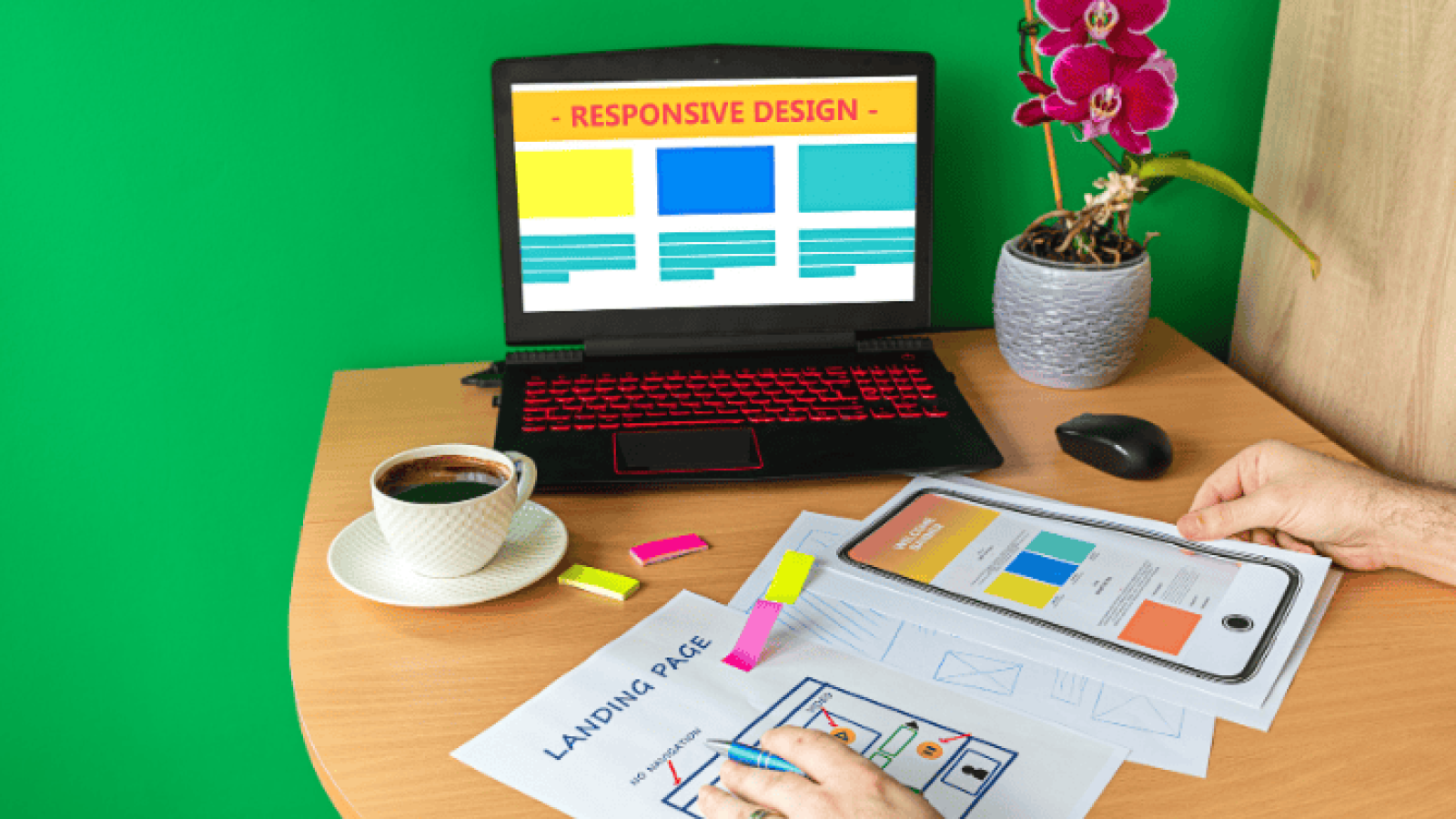
- Responsive Design In an era where mobile devices dominate internet usage, a responsive design is non-negotiable. A responsive website adjusts seamlessly to different screen sizes, ensuring a consistent user experience across devices.
- Navigation Simple and intuitive navigation helps users find information quickly. A clear menu structure, breadcrumbs, and search functionality are key components of effective navigation.
- Visual Hierarchy A well-structured layout guides users’ attention to the most important elements, such as CTAs, headlines, or product images. Using contrasting colors, typography, and spacing can help emphasize these elements.
- Fast Loading Speed Studies show that users abandon websites that take more than 3 seconds to load. Optimizing images, leveraging caching, and using a reliable hosting service can significantly improve loading times.
- Engaging Content Content is king. High-quality text, images, and videos that align with your brand’s voice and values keep users engaged. Incorporating blogs, testimonials, and case studies can further enhance credibility.
- Search Engine Optimization (SEO) A well-designed website includes on-page SEO elements like meta tags, alt text, and keyword-rich content. These factors improve your website’s visibility on search engines, driving organic traffic.
- Security Trust is a crucial factor for online success. Secure your website with HTTPS, and ensure that customer data is protected with robust security measures.
Trends in Website Designing
The web design industry evolves rapidly. Staying updated with current trends can keep your website fresh and engaging. Here are some notable trends:
- Dark Mode: Many users prefer dark themes for their aesthetic appeal and reduced eye strain.
- Minimalism: Clean, clutter-free designs focus on essential elements and improve user experience.
- Micro-Interactions: Small animations or effects provide feedback to users and make the website more interactive.
- Voice Search Optimization: With the rise of smart devices, optimizing for voice search is becoming increasingly important.
- AI-Powered Design: Tools that use artificial intelligence to create layouts and suggest design elements are growing in popularity.
Final Thoughts
Website designing is a harmonious blend of creativity and technical expertise. By focusing on user needs, aesthetic appeal, and functionality, you can create a website that not only attracts visitors but also converts them into loyal customers. Remember, your website is a reflection of your brand—make it count!
If you’re ready to design or revamp your website, start with a clear strategy, define your goals, and seek professional help if needed. A well-designed website is an investment that pays off in the long run.
Leave a Comment