
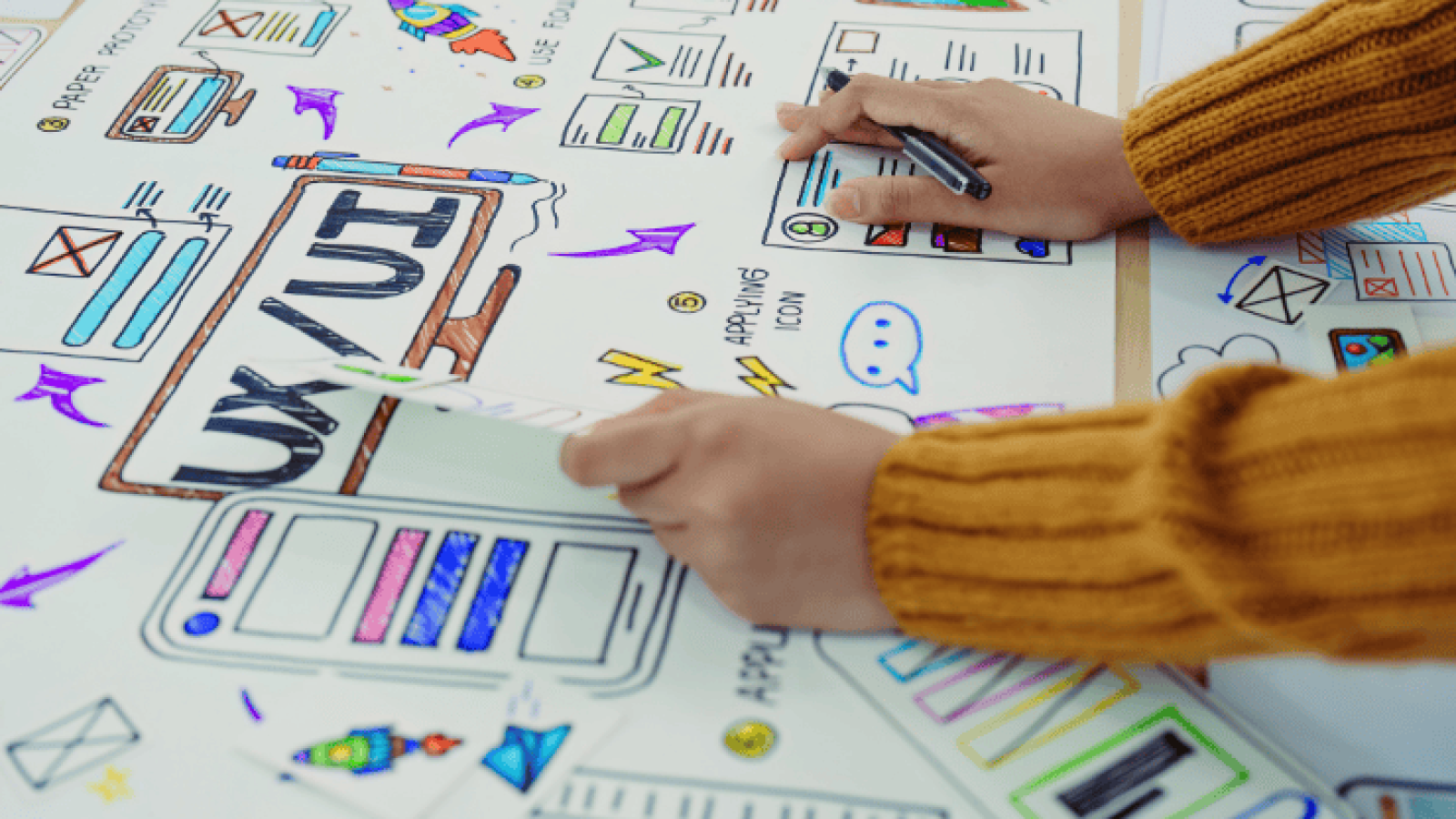

Graphics designing is the art of visually communicating ideas, messages, and stories. It plays a pivotal role in modern branding, marketing, and digital interaction, making it one of the most sought-after skills in today’s creative industry. From logo creation to website layouts, graphics designing impacts almost every aspect of visual communication.
What Is Graphics Designing?
Graphics designing involves creating visual content to convey messages. It combines creativity, technology, and strategy to produce designs that inform, engage, and captivate audiences. Using tools like Adobe Photoshop, Illustrator, and Canva, designers bring ideas to life through images, typography, and layouts.
Why Graphics Designing Matters
In a visually driven world, businesses and individuals rely on compelling designs to stand out. Here’s why graphics designing is essential:
- Brand Identity: A well-designed logo, color scheme, and visual style establish a brand’s identity and make it memorable.
- Enhanced Communication: Visuals are more engaging and easier to process than text. Graphics can simplify complex messages.
- Increased Engagement: High-quality visuals boost engagement on websites, social media, and marketing campaigns.
- Professionalism: Thoughtful design elements convey credibility and professionalism.
The Elements of Graphics Designing
A great design doesn’t happen by accident. It’s the result of skillfully combining several design elements:
- Typography: The art of arranging type to make written language readable and visually appealing. Fonts, sizes, and spacing all play a role.
- Color: Colors evoke emotions and set the tone of the design. Understanding color theory is crucial for impactful designs.
- Images: Photos, illustrations, and icons add depth and context to designs.
- Layout: How elements are arranged affects the flow and focus of a design.
- Space: White space (or negative space) enhances clarity and balance, preventing clutter.
The Process of Graphics Designing
Creating a graphic design project involves several stages to ensure the final product meets its objectives:
- Understanding the Brief: The designer gathers information about the project’s purpose, target audience, and deliverables.
- Research: Understanding the industry, competitors, and trends helps inform design decisions.
- Concept Development: Sketching ideas and brainstorming creative concepts are integral to this phase.
- Design Creation: Using design software, the designer brings the concept to life, experimenting with colors, typography, and layouts.
- Feedback and Revision: Collaboration with clients ensures the design aligns with their vision and objectives.
- Final Delivery: Once approved, the design is finalized and delivered in the required formats.
Trends in Graphics Designing
Graphics designing is ever-evolving, with trends shaping its landscape each year. Here are some notable trends:
- Minimalism: Clean, simple designs with ample white space are increasingly popular.
- 3D Design: Realistic and immersive 3D graphics are making waves in branding and digital media.
- Bold Typography: Oversized, expressive fonts create a strong visual impact.
- Gradients and Color Overlays: These add depth and modernity to designs.
- Sustainability-Inspired Design: Eco-conscious designs reflect growing environmental awareness.
Tools of the Trade
Modern graphic designers rely on various tools to bring their visions to life:
- Adobe Suite: Industry-standard software like Photoshop, Illustrator, and InDesign.
- Canva: A user-friendly platform for quick and creative designs.
- Figma and Sketch: Tools for designing digital interfaces and prototypes.
- Procreate: A favorite among digital illustrators for its versatility.
Final Thoughts
Graphics designing is more than just creating visually appealing content. It’s about storytelling, problem-solving, and connecting with audiences on a deeper level. Whether you’re designing for print, web, or social media, understanding the principles of good design and keeping up with industry trends will set you apart.
If you’re considering a career in graphics designing or need professional design services, remember that creativity, practice, and continuous learning are the keys to success. Let your designs speak louder than words!
Leave a Comment